The lechon glossary
Every term you’ll meet around a Cebu lechon, in plain language — from the borrowed Spanish word to the dish you make from the leftovers.
Same dish, many names
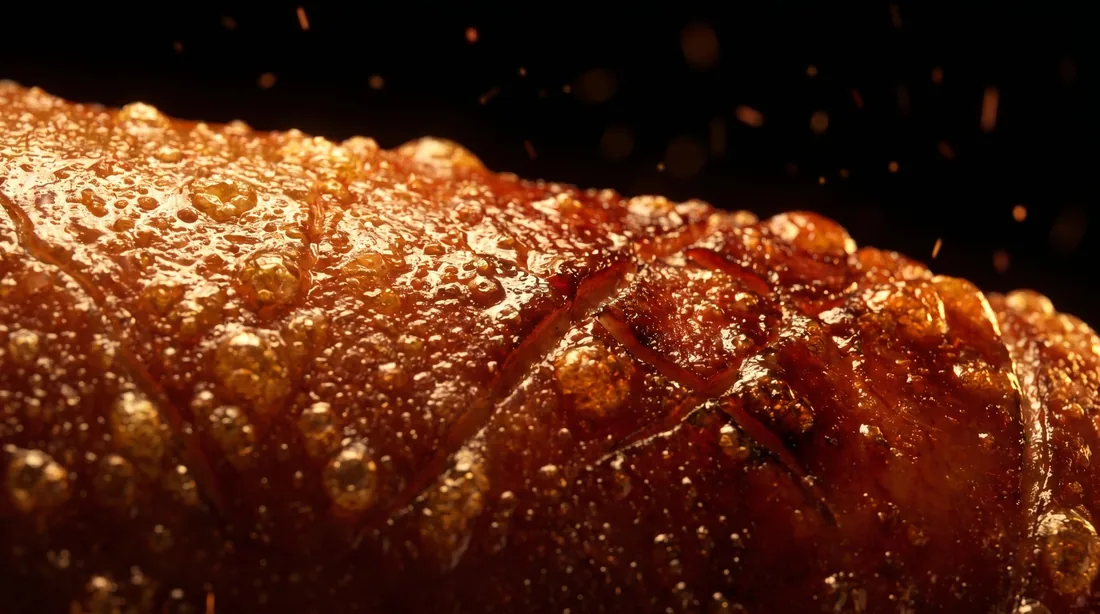
“Cebu lechon,” “lechon Cebu,” “lechon de Cebu,” “Cebu lechon belly,” even the older spelling “litson” — they all point to the same thing: a whole pig (or a boneless belly roll) seasoned from the inside and roasted the Cebu way until the skin is glass-crisp. De Cebu just means “of Cebu.” Word order and spelling shift from menu to menu and post to post; the dish doesn’t.
Two you’ll see used more precisely: lechon de leche is specifically the small suckling pig, and cebuchon (Cebu + lechon) is the boneless belly roll — both are defined below.
- the dishLechon
- A whole pig roasted over fire. In the Philippines the technique is pre-colonial; the word is Spanish (lechón, “suckling pig,” from leche, “milk”). The fire was here first; the name was borrowed. See the history.
- the cebu styleCebu lechon
- Lechon seasoned from the inside with herbs and roasted over charcoal until the skin is glass-crisp — so flavorful it needs no sauce. The style that made the island famous.
- the belly rollCebuchon
- Nickname for lechon belly: a boneless pork-belly roll, seasoned and roasted so every slice is skin-and-meat. A blend of “Cebu” and “lechon.”
- the suckling pigLechon de leche
- A small, young suckling pig — more tender meat and more delicate skin than a full-grown roast. Suited to smaller gatherings.
- the roasterLechonero
- The person who roasts the lechon — the craftsperson who stuffs, trusses, turns and bastes the pig over the coals.
- the leftovers dishPaksiw na lechon
- A savory-sour stew made from leftover lechon simmered in vinegar, garlic and spices — the classic second life of the feast.
- the sauceSarsa
- The liver-based dipping sauce served with Luzon / Manila-style lechon. Famously not needed with Cebu lechon. See Cebu vs Manila.
- the capitalCarcar
- The market town south of Cebu City widely regarded as the island’s lechon capital. See the Carcar guide.
- the neighborTalisay
- A Cebu city with its own respected lechon-roasting heritage, often named alongside Carcar.
- the weightsLive vs cooked weight
- Pigs are sold by live weight (the whole animal). The organs (laman loob) and blood are removed in cleaning, then the roast drives off moisture and renders out fat — together a little more than half the live weight, so a 20kg live pig yields roughly 9kg of cooked lechon. Plan about 200–300g cooked per guest.
- the spitBamboo / stainless spit
- The pole the pig is trussed to and turned on — traditionally bamboo, in modern setups food-grade stainless steel (never galvanized / zinc-coated, which is not food-safe with the salted, vinegared meat).
- the cracklingSkin / crackling
- The glass-crisp roasted skin — the headline of any good Cebu lechon. See why it crackles.
More from the field guide
Cebu lechon notes — and deals as they drop
Subscribe to the Connect Philippines newsletter for Cebu lechon notes, plus exclusive promos, discounts, and partner offers. Free to join.
This site and newsletter may contain affiliate links, sponsored content, or partner offers. Any such content — aside from programmatic Google AdSense ads — is clearly labeled, and we may earn a commission at no extra cost to you. Full disclosure.
Ask AI about Cebu lechon
Get an instant summary of what Cebu lechon is, where it comes from, and what makes it the best.